


Optical Fiber Production Process: Manufacturing, Drawing and Quality Control
SCOPRIRE.png)
Optical fiber production begins with the manufacturing of a glass preform. Highly purified silica-based materials are combined to create a multi-layer glass cylinder called a preform. This structure contains concentric layers with different refractive indexes that determine the optical properties of the finished fiber.
Several manufacturing methods, including OVD, VAD and related processes, are used to produce the preform. The objective is always the same: to provide the finished optical fiber with optimal optical and mechanical performance.
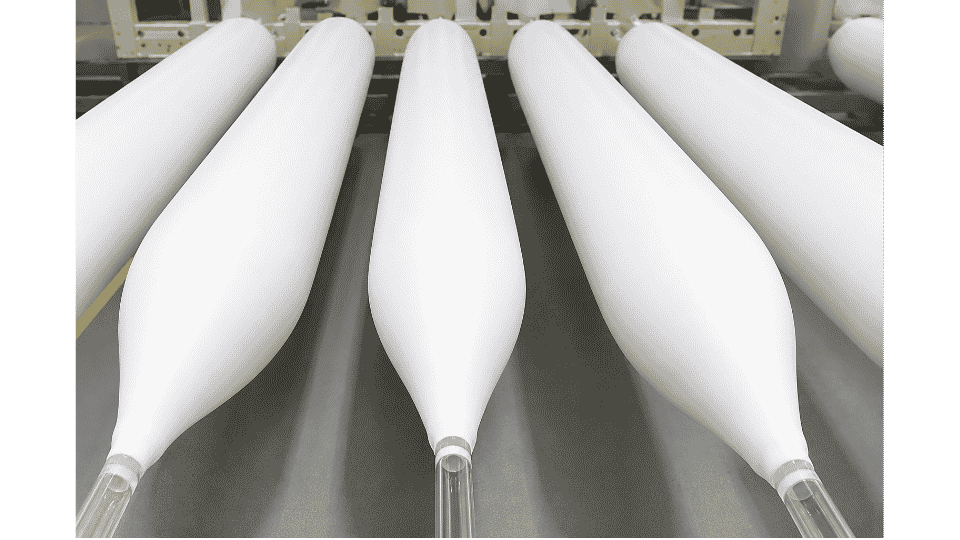
From the Preform to the Finished Optical Fiber
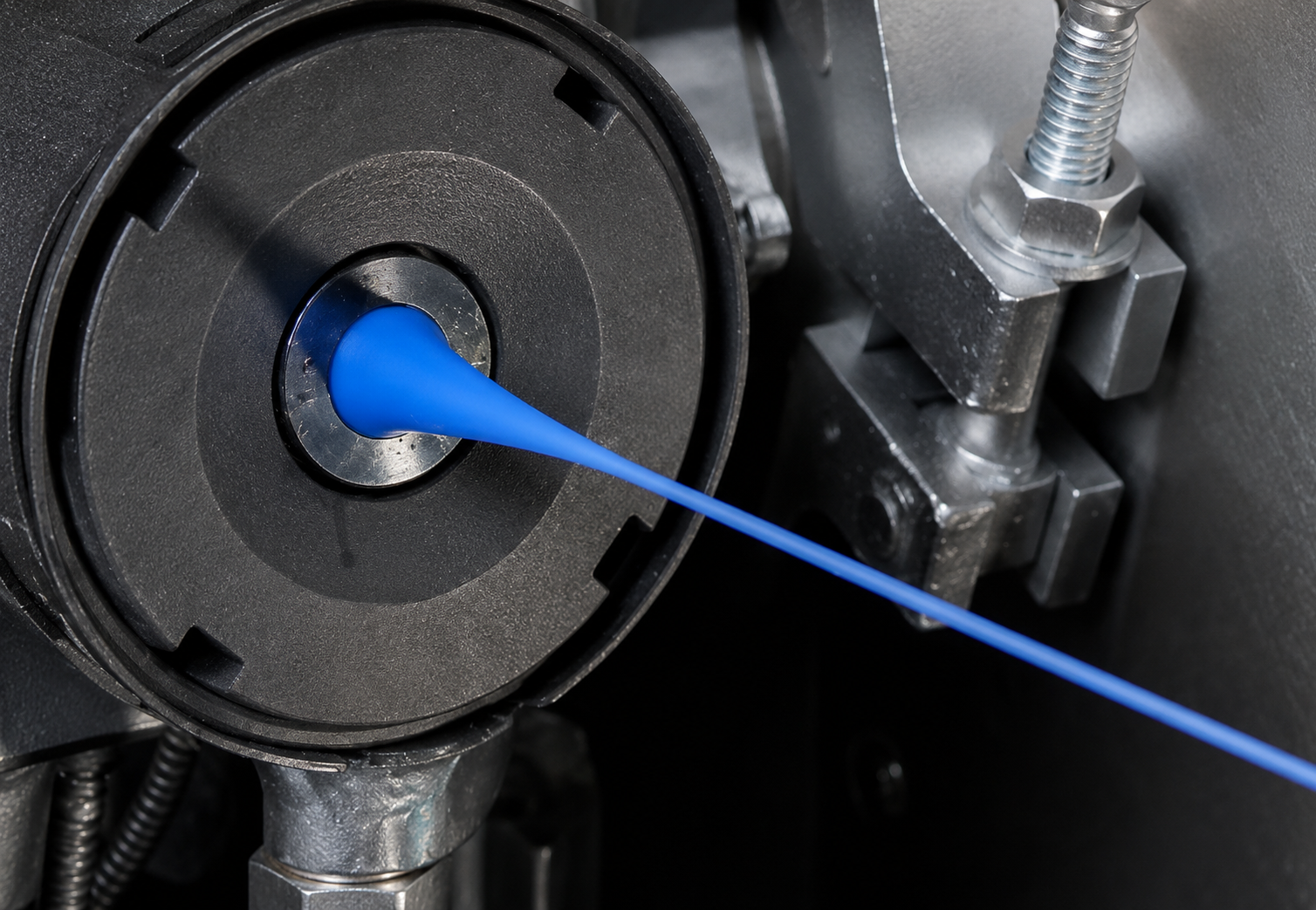
Once manufactured, the preform is mounted at the top of a draw tower. The lower end of the preform is heated at temperatures exceeding 2,000°C until the glass softens and forms a droplet. This droplet is continuously drawn downward to create a glass fiber with a highly controlled diameter.
During the drawing process, the bare fiber is cooled before protective coating layers are applied. Coating materials such as acrylate or polyimide help protect the fiber and improve its mechanical performance. Proper temperature control is essential to ensure consistent coating quality.
A capstan located at the bottom of the draw tower continuously pulls and winds the fiber. Drawing speeds vary according to fiber type and production requirements and can exceed 3,000 m/min in modern telecommunications fiber manufacturing facilities.
Accurate control of drawing speed, alignment and tension is essential to maintain fiber geometry and ensure optimal optical performance.
Why Diameter Control Is Critical in Optical Fiber Manufacturing
Maintaining a consistent fiber diameter is essential to ensure optical performance and compliance with industry standards. Even diameter variations of only a few microns can affect mechanical properties, attenuation levels and long-term reliability.
For this reason, continuous diameter measurement systems are widely used throughout the fiber drawing process. These systems help manufacturers maintain tight tolerances, detect process deviations in real-time and ensure consistent product quality.
Several measuring devices installed throughout the draw tower continuously monitor fiber dimensions, alignment and process stability. The collected data supports process control and quality assurance throughout production.
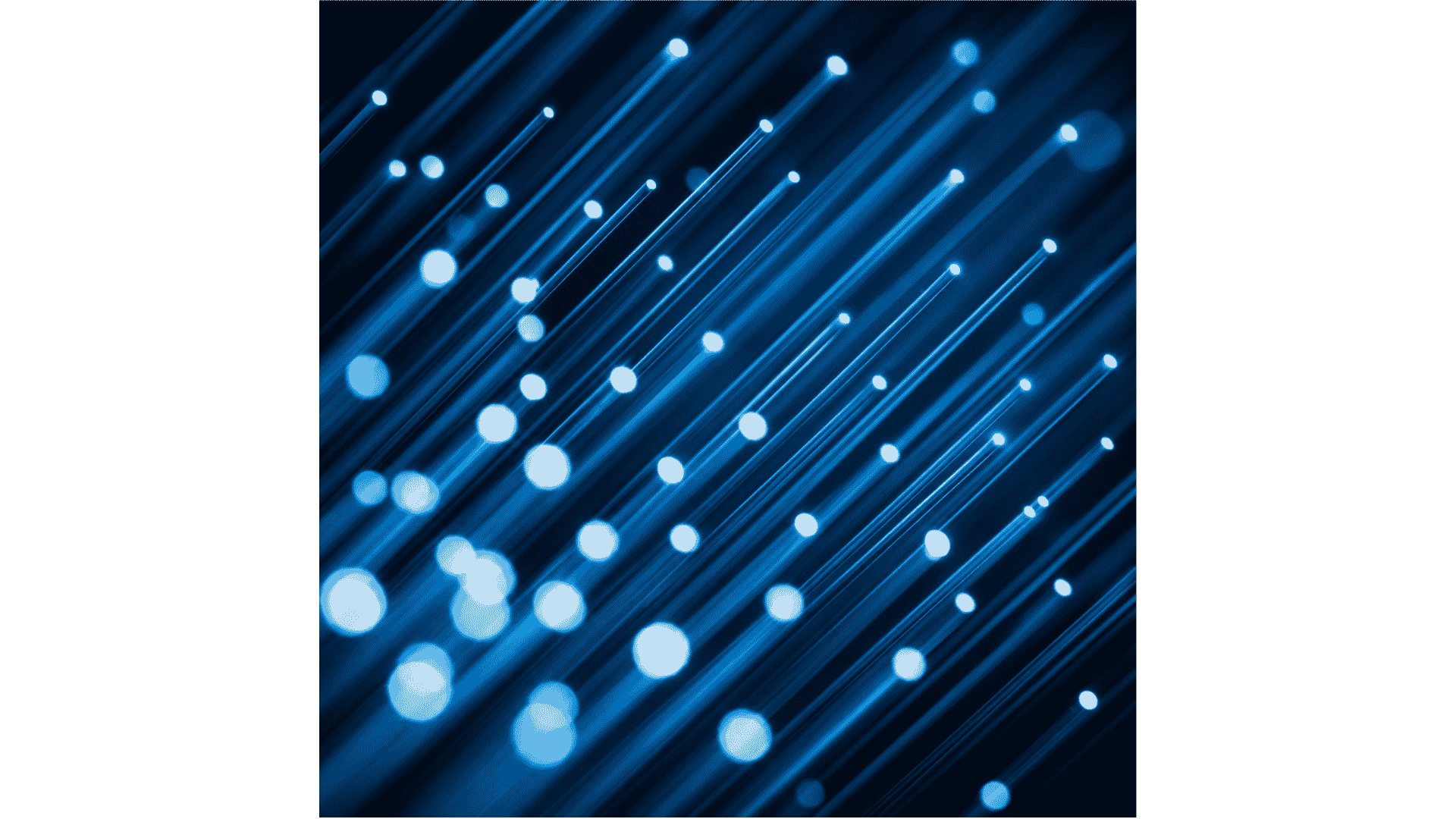
Testing and Classification of Optical Fibers
Once production is completed, the optical fiber is wound onto large spools and undergoes a series of mechanical and optical tests. These tests help verify compliance with customer requirements and industry specifications.
Optical fibers are then classified according to their intended applications, including single mode and multi-mode fiber technologies. Final inspections ensure that diameter, geometry and optical performance meet the required standards before delivery.
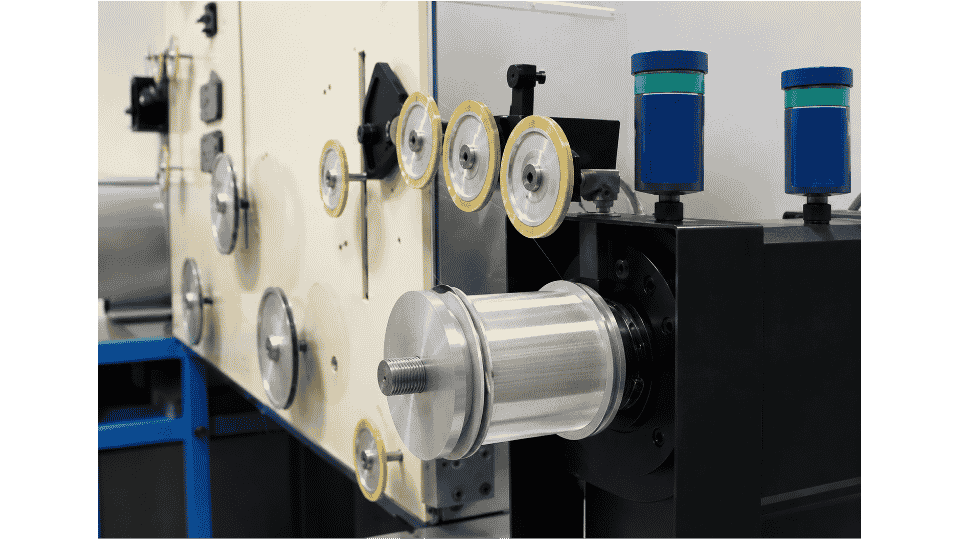
The Benefits of Process Control in Optical Fiber Production
• Ensure consistent fiber diameter and geometry
• Maintain optical performance and transmission quality
• Detect production deviations in real-time
• Reduce scrap and production losses
• Support high-speed optical fiber manufacturing
Learn more about our LISG optical fiber diameter measurement systems
Discover our NCTM optical fiber tension measurement solutions
Explore our optical fiber measurement and control solutions
Contact our team to discuss your application requirements
I nostri articoli correlati
.jpg)
Contatta l'azienda CERSA MCI
Hai una specifica esigenza di controllo e misurazione?
Cerchi un dispositivo di controllo ad alte prestazioni?
Desideri richiedere uno dei nostri servizi?


